I enjoyed reading the blog and how clearly he talks about his business and sells the benefits (not just features). I know MBAs who are not able to so clearly articulate their pricing and business models http://www.phenona.com/blog/phenona-business-model/
Excellent analysis and something that well quantifies a general feeling that long-term TC readers have had.
The real takeaway for me though that you found a creative way to get your startup on Techcrunch and probably get a lot more eyeballs than just your press pitch may have received.
Car2Go (a Daimler company) is tackling this problem with the concept of an operating area. You can pick up and drop of your car from a car2go designated spot or any legal parking spot within this area. Here is an example of their operating area in Austin
This assumes that for an Indian startup, the domain of potential users, investors and acquiring companies is limited to India. This is not true for most promising startups in India, especially web-based ones. The only pre-requisite for a YC-type model is a pool of talented potential founders, and that seems to be pretty big in India.
I'm the author of that post, can't recollect many exits from web-based companies in India to companies from outside in India. You could, I guess, point at sosasta.com (acquired by Groupon), but the deal flow certainly is not there.
With that explanation, you are implying that your post is observational only. IE, you could drop the "why" from the title and gain accuracy in describing the post.
In order for either of these points (your two points seem to have been joined here) to be interesting for answering the why you need to look at Indian companies that would have been bought in the US but weren't (presumably) because they were Indian. Whatever the reason, if it is endemic, could be a why.
As is, you kind of end just observing that YC like investors or YC like startups don't often exist (or maybe succeed) in India but aren't really commenting on why.
This has been an issue for many software companies as well. The Windows 95 launch was delayed because of this,
"Although this was a minor oversight on the part of the product group, which used United Nations maps not officially recognized by India, the Indian government was extremely upset that the region had been omitted and demanded that the problem be fixed before Windows 95 could be distributed in India."
http://www.microsoft.com/presspass/features/2000/Dec00/12-06...
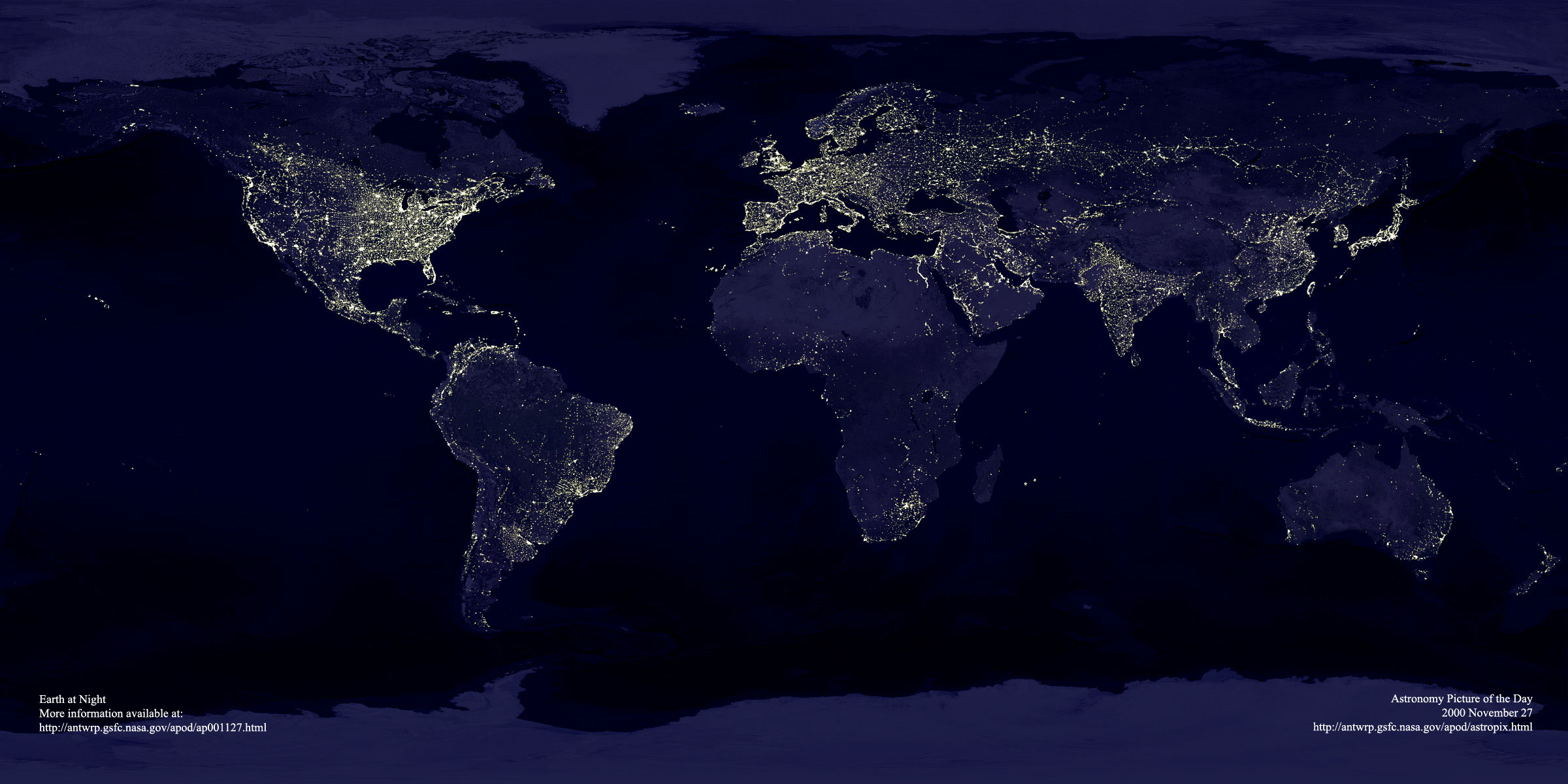
One of the great ones is looking at the Trans-Siberian Railroad. It's like the man-made version of a river (that's not a canal). It's just this string of humanity reaching across Asian.
As for the sister comment, I believe China would be twice of bright, and the lights likely extending all the way to the edge of the deserts/mountains.
For those interested in a more detailed view of PPP, see the world bank table (2005) below. It includes a breakdown by expenditures such as food, health, transportation, etc. Compare with the actual US$ exchange rate to get the PPP ratio.